Exploring the Secrets of the Undergrowth in Nature's Hidden World
Updated: Aug 15
In the Bocas del Toro archipelago, the undergrowth is every bit as important as the trees and mangroves. It isn't untidy vegetation—it is life support.
The layer of fallen leaves, branches, shrubs, vines, and native ground plants holds moisture, feeds the soil, and provides shelter and breeding habitat for countless species. When we clear it away, we don't simply change the appearance of our property—we remove the conditions that wildlife needs to survive. When soil washes into streams and rivers it directly affects the very reefs we like to explore, soil erosion is directly linked to killing off reefs around Bocas del Toro.

What Makes the Undergrowth Special?
Bocas is one of Panama's most biologically diverse regions. Many animals depend on cool, damp ground cover throughout their lives. The undergrowth maintains humidity, regulates temperature, and keeps the forest floor alive. Once it is removed, the soil dries out, erosion accelerates during heavy rains, and the countless small creatures that support the food web begin to disappear—followed by the birds, reptiles, amphibians and mammals that depend on them.
Why the Undergrowth Matters
It keeps the forest cool and moist
Leaf litter and low-growing plants shade the soil, trap humidity and reduce evaporation. In a tropical rainforest, this moist microclimate is essential for many plants, fungi and animals.
It feeds the entire ecosystem
Leaves, fallen branches and other organic matter are broken down by fungi, bacteria and microorganisms, returning nutrients to the soil.
These nutrients support insects, worms, millipedes and other invertebrates, which in turn provide food for frogs, lizards, birds, snakes and mammals. Remove the undergrowth and you break the food chain at its foundation.
It provides shelter and breeding habitat
Many species hide from predators, hunt for food, lay eggs and raise their young beneath leaf litter and dense vegetation. Without this protection they are exposed to heat, predators and human disturbance.
It protects the soil
Heavy tropical rainfall can quickly wash away exposed soil. Undergrowth slows rainwater, reduces erosion, improves water infiltration and helps prevent sediment from reaching streams, mangroves and coral reefs.
It connects wildlife habitat
Every wildlife-friendly garden becomes part of a larger network. Leaving natural vegetation between developed areas allows wildlife to move safely between forest patches in search of food, shelter and mates.
Wildlife That Depends on the Undergrowth
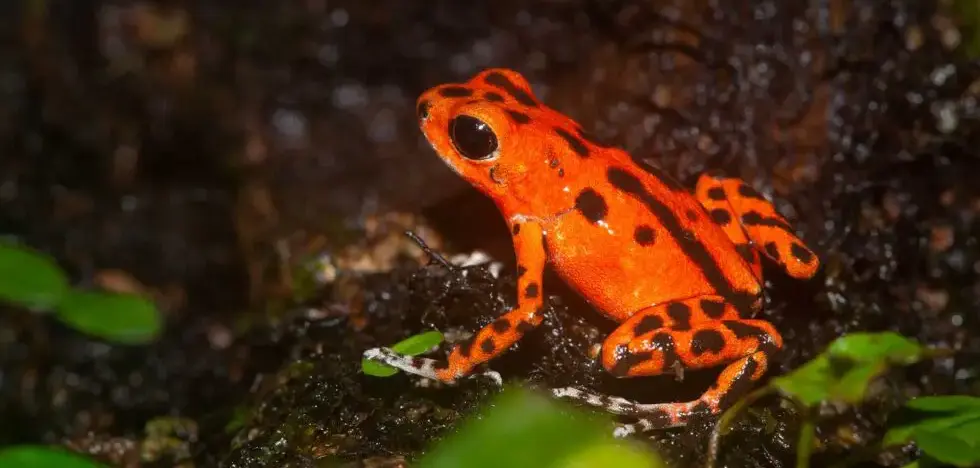
The undergrowth supports an extraordinary variety of life, including:
Native bees and other pollinators
Butterflies and moths
Fireflies
Frogs and toads
Lizards
Snakes
Land crabs
Beetles
Ants
Spiders
Earthworms
Millipedes and centipedes
Snails and slugs
Fungi
Mosses
Microorganisms
These species are not insignificant—they form the foundation of the rainforest ecosystem. Without them, the larger wildlife that makes Bocas so special cannot survive.
How You Can Help
You don't need to let your entire property become overgrown, but selective clearing makes an enormous difference.
Only clear:
Walking paths and access routes
A small area immediately around buildings for maintenance and fire safety
Vegetation that presents a genuine hazard
Leave the rest to nature:
Keep leaf litter beneath trees
Leave fallen branches and logs in quiet areas where they can naturally decompose
Allow native shrubs and ground cover to regenerate
Avoid unnecessary pesticides and herbicides
Plant native species wherever possible
Allow natural regeneration instead of constantly clearing the forest floor
Every property owner can help preserve the biodiversity that makes Bocas del Toro unique.
By leaving most of your land as nature intended, you provide habitat for thousands of species, protect the soil, improve water quality and help maintain one of the richest ecosystems in the Caribbean.
Sometimes, the smallest things make the biggest difference. In Bocas del Toro, protecting the undergrowth helps protect the entire ecosystem.
Wildlife Interactions in the Undergrowth
The undergrowth is a hotspot for wildlife activity. Many animals depend on this layer for survival:
Sloths: These slow climbers spend much of their time in the lower branches and undergrowth, feeding on leaves and avoiding predators.
Howler monkeys: Known for their loud calls, howlers forage in the undergrowth for fruits and leaves.
Birds: Many species nest and hunt here, contributing to the forest’s biodiversity.
The complex structure of the undergrowth creates hiding spots and travel routes for animals. It also supports pollinators and decomposers that keep the forest healthy.

Protecting the Undergrowth for Future Generations
The undergrowth faces threats from deforestation, land development, and invasive species. Protecting this layer is vital for maintaining the health of Bocas’ forests and the wildlife they support. Community efforts can make a difference:
Support conservation projects that focus on preserving forest habitats.
Practice responsible gardening by avoiding harmful chemicals and planting native species.
Educate others about the importance of the undergrowth and its role in the ecosystem.
By valuing the undergrowth, Bocas residents help safeguard a hidden world that sustains many forms of life.
Want to learn more about how to live gently in Bocas del Toro? Click on the link below.
The undergrowth is more than just a tangle of plants; it is a vital part of the forest’s life cycle and a refuge for wildlife. Exploring and protecting this layer enriches our connection to nature and ensures the forests of Bocas remain vibrant and full of life. Next time you walk through the woods or tend your garden, take a moment to appreciate the little ones just beneath your feet.


Comments